HVAC Services in Taylors for Maintenance
Finding the Right HVAC Contractor: Key Factors for Optimal Home Comfort
Selecting the right HVAC provider is essential for maintaining home comfort levels. Various factors influence this selection, from the services provided to the significance of certifications and experience. Client testimonials provide important insights, while energy efficiency ratings can result in long-term savings. Grasping pricing and warranty options is equally critical. As homeowners navigate these factors, they may think about which aspects are most important in reaching an informed decision.
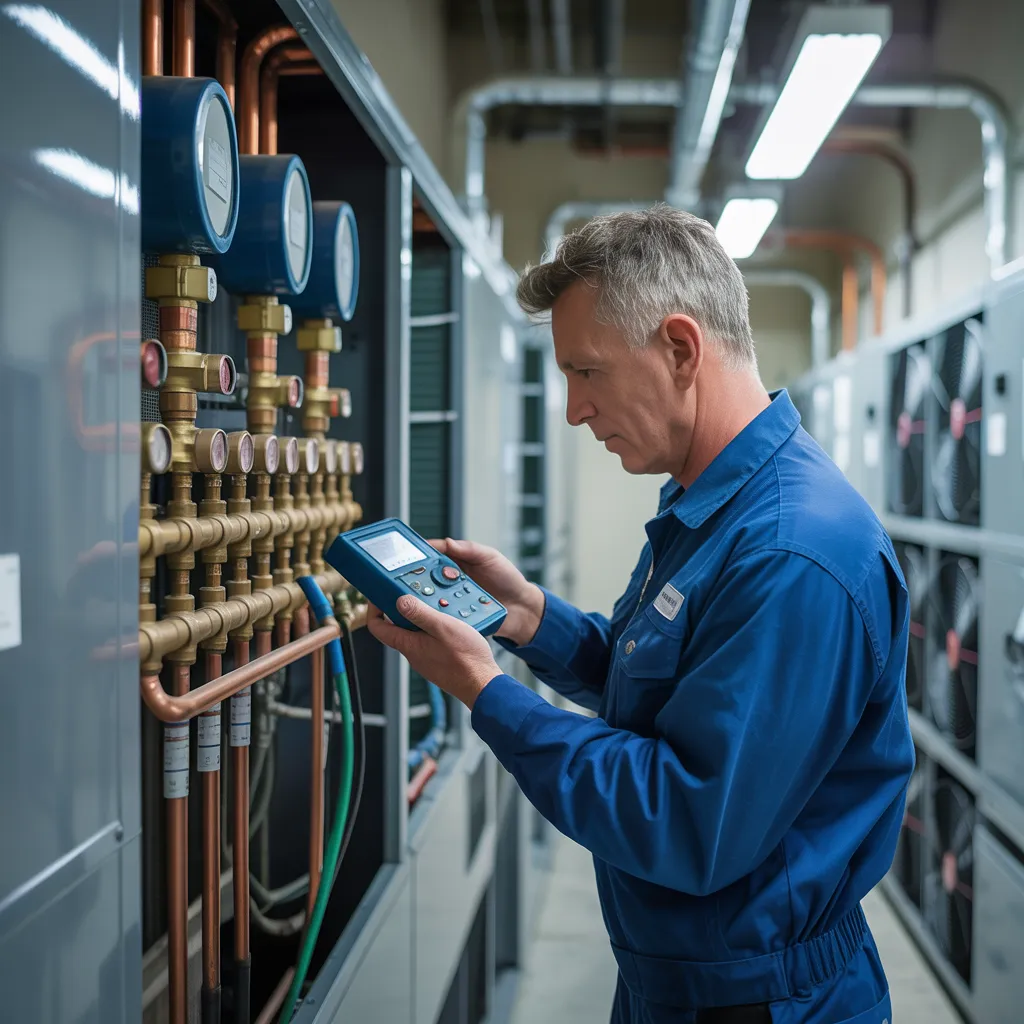
What Services Ought Your HVAC Company to Include?
When picking an HVAC company, understanding the scope of services provided is crucial. A comprehensive HVAC contractor should include repair, installation, and maintenance for heating, ventilation, and air conditioning systems. Setup services must encompass both residential and commercial options, making sure systems meet specific requirements. Regular maintenance is critical for boosting the efficiency and lifespan of systems, so providers should supply regular inspections and cleaning services.
Additionally, repair solutions ought to be timely and efficient, resolving problems with multiple system elements, such as thermostats, ventilation ducts, and air filters. Certain providers may also offer supplementary services such as indoor air quality evaluations, that can assist in enhancing the general atmosphere of a residence or commercial space. Finally, emergency services are a valuable asset, making certain that property owners get rapid support during serious system malfunctions. Examining these provisions assists residents in making knowledgeable selections for their HVAC necessities.
Why You Should Consider Experience and Certifications When Picking an HVAC Company
Choosing an HVAC company is not only about the solutions they provide but also about the expertise behind those solutions. Experience plays an essential role in ensuring that technicians can accurately assess issues and apply effective fixes. A established HVAC contractor is expected to have handled a variety of configurations and challenges, allowing them to respond effectively to complex circumstances.
Certifications hold equal significance, as they confirm that the company complies with professional standards and best practices. Licensed technicians have undergone comprehensive training, ensuring they are knowledgeable about the latest technologies and safety protocols. This lowers the chance of errors that can cause costly repairs or safety hazards.
At the end of the day, a balance of practical experience and industry certifications signifies a commitment to quality and professionalism. Homeowners can feel more secure knowing they are placing their HVAC requirements to a team that places competence and reliability at the forefront.
How Customer Reviews Impact Your Choice of an HVAC Company
Client feedback play an essential role in assessing the credibility of HVAC companies. Through reviewing digital reviews, potential customers can measure the service quality and reliability provided by competing providers. Analyzing this information allows consumers reach well-informed choices when selecting an HVAC service provider.
Reviewing Online Reputation
How does a potential homeowner determine the dependability of an HVAC company in today's technology-driven world? A highly practical approach is to evaluate the company's digital standing through client feedback. Review sites like Google, Yelp, and Facebook offer valuable information about previous customer interactions, showcasing service quality, response efficiency, and general satisfaction levels. An abundance of favorable reviews often suggests a reliable company, while recurring complaints may point to underlying problems. It is equally important to observe how the company handles critical reviews, since a thoughtful reply can demonstrate professionalism and dedication to client satisfaction. By synthesizing this information, homeowners can make informed decisions, ensuring they choose an HVAC company that aligns with their expectations for quality and reliability.
Recognizing the Value of Ratings
In today's digital environment, reviews play an important part in shaping perceptions of HVAC companies. User ratings deliver key details regarding quality of work, dependability, and general experience. Future clients commonly turn to these evaluations to measure a company's credibility before committing to a choice. Elevated scores commonly suggest a history of successful installations and prompt service, while low ratings may signal potential issues. Furthermore, trends in feedback can reveal specific strengths or weaknesses, such as expertise in particular systems or responsiveness to emergencies. In the end, recognizing the value of reviews allows residents to make well-considered selections, helping them choose a provider that meets their specific requirements. This diligent review process can produce improved comfort and reassurance.
What You Need to Know About Energy Efficiency Ratings for HVAC Systems
What elements influence the efficiency of heating and cooling systems? Performance ratings, such as SEER ratings for air conditioning systems and the Annual Fuel Utilization Efficiency (AFUE) for heating units, offer critical information. These ratings measure how effectively a unit converts energy into temperature regulation in relation to its energy use. A higher rating the better the system performs, leading to lower utility bills and reduced environmental impact.
In addition, the system design, installation standards, and maintenance routines play a major role in overall performance. Appropriately sized systems designed to fit a home's particular needs will operate more efficiently than improperly sized units. Moreover, innovations in technology, such as smart thermostats and variable speed compressors boost overall energy efficiency. These factors should be carefully considered by homeowners when selecting HVAC systems, as opting for a unit that carries a high energy efficiency rating contributes to long-term comfort and sustainability.
Assessing HVAC Costs for Optimal Value?
When evaluating HVAC costs, property owners often question which aspects are important for obtaining the best value. Key elements include the starting price of the equipment, installation fees, and ongoing operational costs. Residents should gather quotes from several contractors, making sure that all estimates are comprehensive and encompass comparable services.
Another key factor to keep in mind is the efficiency score of the system, as greater efficiency typically results in reduced energy costs. Furthermore, warranty protection and maintenance packages can have a major influence on overall worth. Carefully examining the credibility of the HVAC provider is vital, as experienced technicians typically provide better service, which can lower future repair expenses.
Ultimately, the best value is not solely defined article by the lowest price but by a balance of quality, efficiency, and reliable service. Property owners are advised to carefully assess all elements of HVAC pricing to make well-informed decisions that improve their home comfort and overall investment.
Vital Questions to Ask Your HVAC Contractor?
How do homeowners verify they have chosen the correct HVAC contractor? A practical method is to pose important questions that uncover the contractor's credentials and dependability. First, homeowners should inquire about licensing and insurance, making sure the contractor meets local regulations and can cover any liabilities. Furthermore, questioning the contractor about their background with certain systems or brands helps establish whether they are properly equipped for the work.
Homeowners ought to also ask for references from past clients to assess satisfaction levels and quality of service. Moreover, asking about warranties and service agreements can provide clarity on what to anticipate after installation or repair. Finally, discussing financing options and estimated timelines for the project can promote transparency and prevent unexpected delays. By considering these important factors, homeowners are able to make well-informed decisions, resulting in optimal comfort in their homes.
Questions We Often Receive
How Long Should an HVAC System Typically Last?
An HVAC system usually operates for 15 to 25 years on average, depending on how well it is maintained, used, and installed. Consistent professional servicing may prolong its operational life, while neglect can result in early system breakdown and higher replacement expenses.
What Warranties Should I Expect From HVAC Services?
Customers should expect warranties covering parts and labor, typically extending from one to ten years, according to the HVAC system. Extended warranties may also be available, delivering additional peace of mind and safeguarding against future repairs.
Can HVAC Systems Improve Indoor Air Quality?
HVAC systems can greatly improve indoor air quality by filtering pollutants, controlling humidity levels, and ensuring proper ventilation. Routine maintenance improves their performance, contributing to healthier living environments and decreasing the presence of allergens and irritants indoors.
What Are the Maintenance Requirements for HVAC Systems?
Routine upkeep for HVAC units consists of replacing filters, clearing air ducts, checking refrigerant levels, verifying electrical connections, and scheduling professional tune-ups. Such practices optimize performance, extend lifespan, and ensure optimal indoor air quality throughout the year.
How Do I Know if My HVAC System Requires Replacement?
Symptoms that an HVAC system requires replacement include frequent repairs, escalating energy costs, uneven temperatures, odd sounds, and surpassing 15 years of age. Examining these signs can help determine if a replacement is warranted.